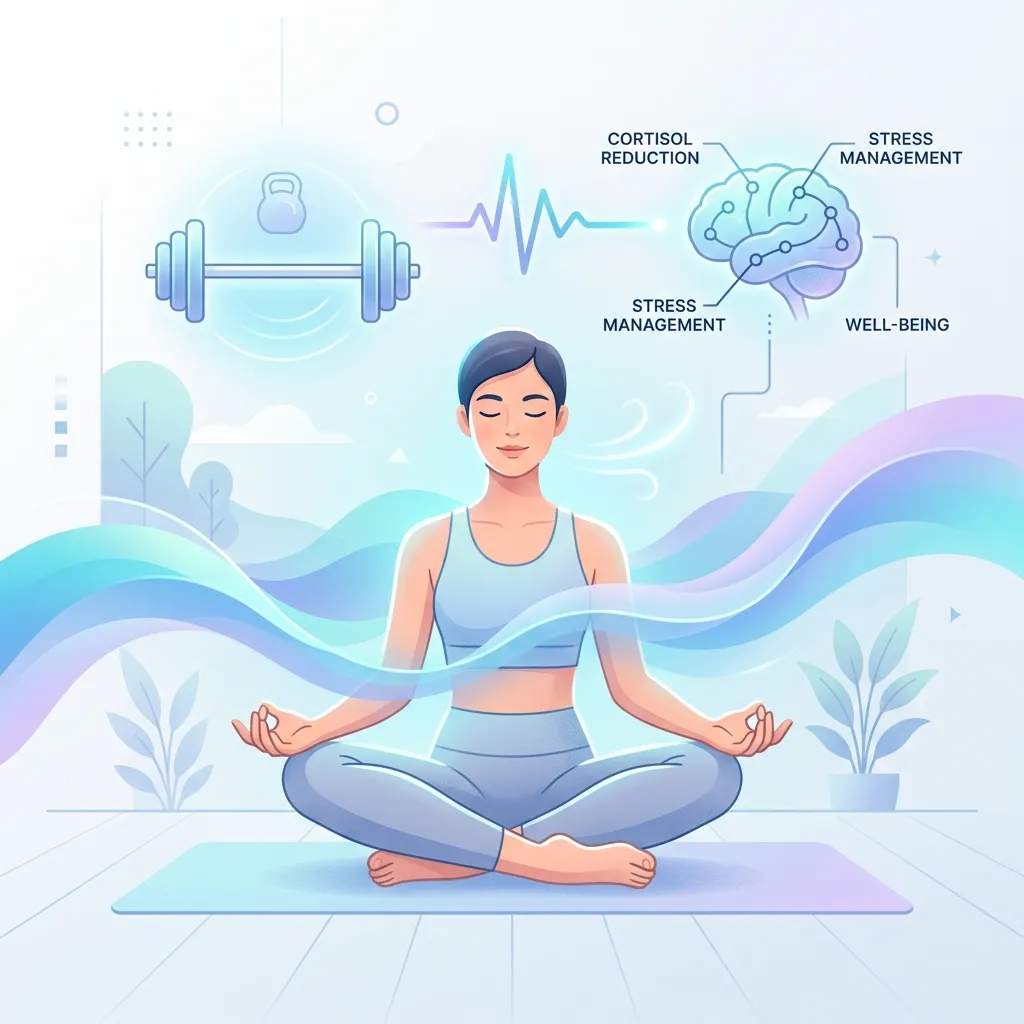
You've nailed your workout routine. Your nutrition is on point. But there's one critical factor that many fitness enthusiasts overlook: sleep. Research shows that sleep is perhaps the single most important factor for muscle recovery and growth.
Why Sleep Matters for Muscle Growth
Growth Hormone Release
During deep sleep (stages 3 and 4), your body releases the majority of its daily growth hormone (GH). This hormone is essential for:
- Muscle tissue repair
- Fat metabolism
- Cell regeneration
- Bone density maintenance
Studies show that 70-80% of daily growth hormone is released during sleep. Poor sleep = less growth hormone = slower muscle gains.
Protein Synthesis
Sleep is when your body ramps up muscle protein synthesis (MPS) — the process of building new muscle tissue. Without adequate sleep, MPS rates decrease significantly, meaning your body can't effectively use the protein you consumed during the day.
Cortisol Regulation
Lack of sleep increases cortisol (the stress hormone), which:
- Breaks down muscle tissue (catabolic effect)
- Increases fat storage
- Impairs recovery
- Reduces testosterone levels
How Much Sleep Do You Need?
For optimal muscle recovery and growth:
- 7 to 9 hours per night is recommended
- Athletes may benefit from 8-10 hours
- Consistency matters more than total hours — go to bed at the same time
- Quality matters as much as quantity
Tips for Better Sleep
Create Your Sleep Environment
- Keep your bedroom cool (18-20°C / 65-68°F)
- Make it dark — use blackout curtains
- Minimize noise — consider white noise or earplugs
- Invest in a comfortable mattress and pillow
Pre-Sleep Routine
- Stop screens 30-60 minutes before bed (blue light blocks melatonin)
- Avoid caffeine after 2 PM
- Don't train within 3 hours of bedtime (moderate exercise is fine)
- Try reading or light stretching before bed
Nutrition for Better Sleep
- Magnesium — helps relax muscles and promotes sleep quality
- Casein protein before bed — slow-digesting protein supports overnight recovery
- Avoid heavy meals within 2 hours of bedtime
- Tart cherry juice — natural source of melatonin
The Science: Sleep Deprivation Studies
Research has shown alarming effects of sleep deprivation on fitness:
- One week of sleeping 5 hours/night reduced testosterone levels by 10-15%
- Sleep-deprived athletes showed 11% decrease in time to exhaustion
- Muscle recovery takes 2-3x longer with inadequate sleep
- Injury risk increases by 60% when sleeping less than 7 hours
Sleep and Workout Performance
Poor sleep directly impacts your gym performance:
- Reduced strength — you'll lift less weight
- Slower reaction time — affects compound movements
- Lower motivation — harder to push through tough sets
- Poor focus — increases injury risk on technical lifts
Practical Action Plan
- Set a fixed bedtime and wake time (even weekends)
- Create a wind-down routine — 30 minutes of no screens
- Track your sleep — use a fitness tracker or sleep app
- Nap strategically — 20-minute power naps can help (but not after 3 PM)
- Prioritize sleep over extra workouts — rest is when you grow
Remember: muscles are torn in the gym, fed in the kitchen, and built in bed.
Antrenman rutininizi mükemmelleştirdiniz. Beslenmeniz yerinde. Ama birçok fitness meraklısının gözden kaçırdığı kritik bir faktör var: uyku. Araştırmalar, uykunun kas toparlanması ve büyümesi için belki de en önemli tek faktör olduğunu gösteriyor.
Uyku Kas Gelişimi İçin Neden Önemli?
Büyüme Hormonu Salınımı
Derin uyku sırasında (3. ve 4. aşamalar), vücudunuz günlük büyüme hormonunun (GH) büyük çoğunluğunu salgılar. Bu hormon şunlar için gereklidir:
- Kas dokusu onarımı
- Yağ metabolizması
- Hücre yenilenmesi
- Kemik yoğunluğunun korunması
Araştırmalar, günlük büyüme hormonunun %70-80'inin uyku sırasında salındığını gösteriyor. Kötü uyku = daha az büyüme hormonu = daha yavaş kas kazanımı.
Protein Sentezi
Uyku, vücudunuzun kas protein sentezini (MPS) — yeni kas dokusu oluşturma sürecini — hızlandırdığı zamandır. Yeterli uyku olmadan, MPS oranları önemli ölçüde düşer, bu da vücudunuzun gün boyunca tükettiğiniz proteini etkili bir şekilde kullanamayacağı anlamına gelir.
Kortizol Düzenlemesi
Uyku eksikliği kortizolü (stres hormonu) artırır, bu da:
- Kas dokusunu parçalar (katabolik etki)
- Yağ depolanmasını artırır
- Toparlanmayı bozar
- Testosteron seviyelerini düşürür
Ne Kadar Uyku Gerekli?
Optimal kas toparlanması ve büyümesi için:
- Gecelik 7 ila 9 saat uyku önerilir
- Sporcular 8-10 saatten fayda görebilir
- Tutarlılık toplam saatten daha önemlidir — her gün aynı saatte yatın
- Kalite, miktar kadar önemlidir
Daha İyi Uyku İçin İpuçları
Uyku Ortamınızı Oluşturun
- Yatak odanızı serin tutun (18-20°C)
- Karanlık yapın — karartma perdeleri kullanın
- Gürültüyü en aza indirin — beyaz gürültü veya kulak tıkacı düşünün
- Rahat bir yatak ve yastığa yatırım yapın
Uyku Öncesi Rutini
- Yatmadan 30-60 dakika önce ekranları bırakın (mavi ışık melatonini engeller)
- Öğleden sonra 2'den sonra kafein almayın
- Yatma saatinden 3 saat içinde antrenman yapmayın (hafif egzersiz sorun değil)
- Yatmadan önce kitap okumayı veya hafif stretching yapmayı deneyin
Daha İyi Uyku İçin Beslenme
- Magnezyum — kasları gevşetmeye yardımcı olur ve uyku kalitesini artırır
- Yatmadan önce kazein protein — yavaş sindirilen protein gece boyunca toparlanmayı destekler
- Yatma saatinden 2 saat içinde ağır yemeklerden kaçının
- Vişne suyu — doğal melatonin kaynağı
Bilim: Uyku Yoksunluğu Çalışmaları
Araştırmalar, uyku yoksunluğunun fitness üzerindeki endişe verici etkilerini göstermiştir:
- Bir hafta boyunca gece 5 saat uyumak testosteron seviyelerini %10-15 düşürdü
- Uykusuz sporcular bitkinliğe kadar geçen sürede %11 azalma gösterdi
- Kas toparlanması yetersiz uyku ile 2-3 kat daha uzun sürer
- 7 saatten az uyuduğunuzda sakatlık riski %60 artar
Uyku ve Antrenman Performansı
Kötü uyku spor salonu performansınızı doğrudan etkiler:
- Azalmış güç — daha az ağırlık kaldırırsınız
- Yavaşlamış reaksiyon süresi — bileşik hareketleri etkiler
- Düşük motivasyon — zor setlerde devam etmek zorlaşır
- Zayıf odaklanma — teknik kaldırışlarda sakatlık riskini artırır
Pratik Aksiyon Planı
- Sabit bir yatma ve kalkma saati belirleyin (hafta sonları bile)
- Gevşeme rutini oluşturun — 30 dakika ekransız zaman
- Uykunuzu takip edin — fitness tracker veya uyku uygulaması kullanın
- Stratejik şekerleme yapın — 20 dakikalık güç uykuları yardımcı olabilir (ama 15:00'ten sonra değil)
- Ekstra antrenmanlardan önce uykuya öncelik verin — dinlenme büyüdüğünüz zamandır
Unutmayın: kaslar spor salonunda yırtılır, mutfakta beslenir ve yatakta inşa edilir.
Track Your Progress with Fitquro
Log your workouts, track personal records, and stay motivated with XP and
achievements. 1400+ exercises with animated demos.
Download Fitquro →