Have you ever finished a set of bicep curls and felt it more in your forearms? Or completed a set of bench presses only to feel your front delts burning while your chest feels fresh? This is a common issue caused by a lack of mind-muscle connection.
Mastering this concept is the difference between simply moving a weight from point A to point B and actually stimulating the muscle for growth.
What is the Mind-Muscle Connection?
The mind-muscle connection (MMC) refers to the conscious, deliberate internal focus on a specific muscle as it contracts during an exercise. Instead of thinking about the weight you are lifting, you focus entirely on the sensation and contraction of the working muscle.
The Science Behind It
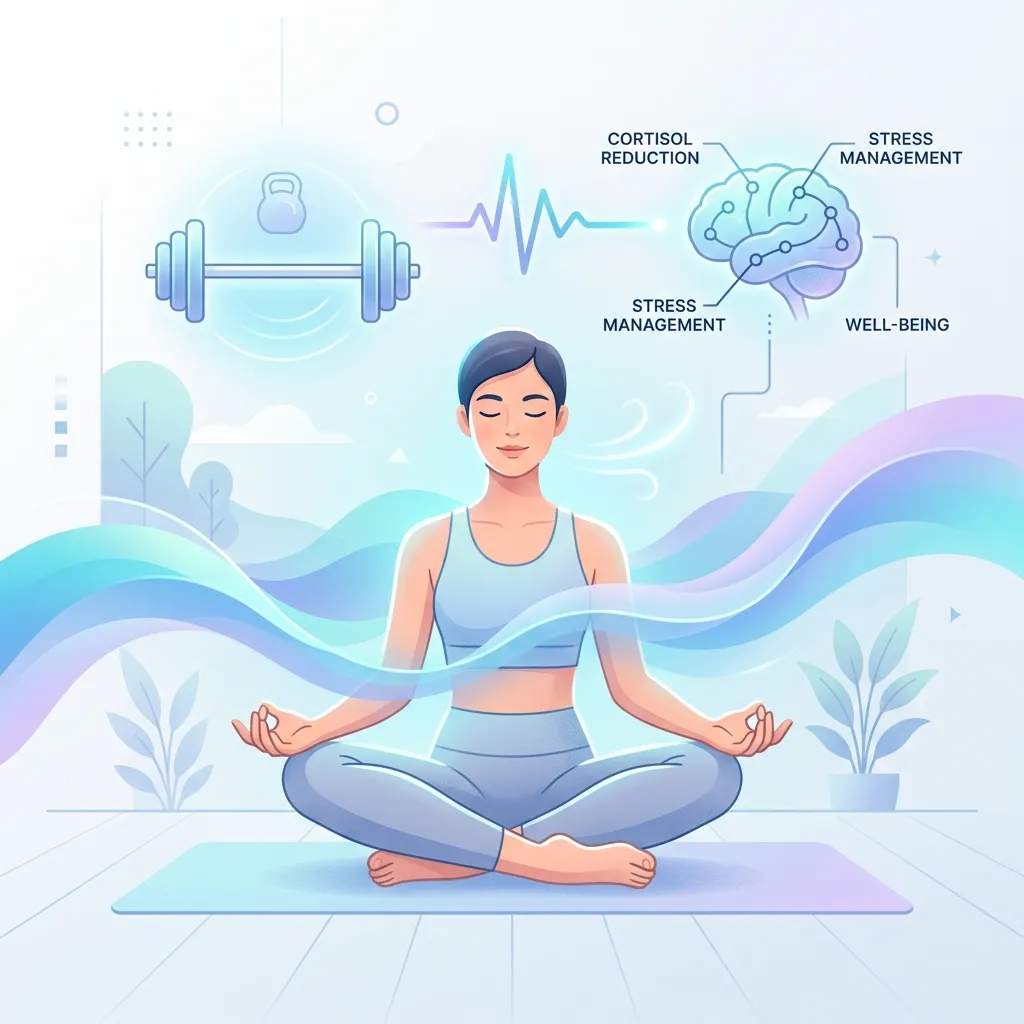
When you lift weights, your brain sends a signal via motor neurons to your muscle fibers telling them to contract. By consciously focusing on the target muscle:
- You recruit more motor units.
- You increase the firing rate of these motor units.
- You achieve higher overall muscle activation.
A study published in the European Journal of Applied Physiology showed that subjects who actively focused on contracting their triceps during an extension exercise experienced significantly greater muscle activation than those who just focused on lifting the weight.
Benefits of MMC
1. Increased Hypertrophy
More muscle activation leads to more mechanical tension and metabolic stress, the primary drivers of muscle growth.
2. Better Form and Safety
Focusing on the target muscle naturally slows down your movement and reduces momentum. This leads to better technique and a lower risk of injury.
3. Overcoming Weak Points
If you have a lagging muscle group, poor MMC is often the culprit. Establishing a better connection can bring up weak areas effectively.
How to Develop a Strong Mind-Muscle Connection
Warm-Up Sets
Use your warm-up sets to mentally lock into the target muscle. Perform reps slowly, squeezing the muscle at the peak contraction.
Visualization
Before and during the set, visualize the muscle fibers shortening and lengthening. Don't just watch the weight move; feel the muscle working.
Lighter Weights
It's incredibly difficult to focus on muscle contraction when you are lifting near your 1-rep max. Drop the weight by 10-20% and focus strictly on the feeling.
Isometric Holds
Pause for 1-2 seconds at the peak contraction of every rep. For example, squeeze hard at the top of a bicep curl or the bottom of a lat pulldown.
Posing
Bodybuilders pose to improve their MMC. Flexing the target muscle between sets or in front of a mirror can help you understand how to fully engage it.
The Exception: Heavy Compound Lifts
While MMC is fantastic for isolation exercises (like bicep curls or leg extensions) and hypertrophy training, it's not always ideal for maximal strength.
When you are performing a heavy 1-5 rep max on the squat, deadlift, or bench press, your focus should be on external cues (moving the bar as forcefully as possible) rather than internal cues (squeezing a specific muscle).
Conclusion
The mind-muscle connection is a powerful tool for bodybuilders and anyone looking to maximize muscle growth. Next time you hit the gym, stop just lifting weights. Start training your muscles.
Remember: Don't focus on moving the weight. Focus on the muscle moving the weight.
Hiç bir set biceps curl bitirip hareketi daha çok ön kollarınızda hissettiğiniz oldu mu? Veya bir set bench press tamamlayıp göğsünüz hiç yorulmamışken ön omuzlarınızın yandığını hissettiniz mi? Bu, zihin-kas bağlantısı eksikliğinden kaynaklanan yaygın bir sorundur.
Bu konseptte ustalaşmak, bir ağırlığı sadece A noktasından B noktasına taşımak ile kası büyüme için gerçekten uyarmak arasındaki farktır.
Zihin-Kas Bağlantısı Nedir?
Zihin-kas bağlantısı (MMC), bir egzersiz sırasında kasılırken belirli bir kasa yönelik bilinçli, kasıtlı içsel odaklanmayı ifade eder. Kaldırdığınız ağırlığı düşünmek yerine, tamamen çalışan kasın hissine ve kasılmasına odaklanırsınız.
İşin Arkasındaki Bilim
Ağırlık kaldırdığınızda, beyniniz motor nöronlar aracılığıyla kas liflerinize kasılmalarını söyleyen bir sinyal gönderir. Bilinçli olarak hedef kasa odaklanarak:
- Daha fazla motor üniteyi devreye sokarsınız.
- Bu motor ünitelerin ateşleme hızını artırırsınız.
- Genel olarak daha yüksek kas aktivasyonu elde edersiniz.
European Journal of Applied Physiology'de yayınlanan bir araştırma, triceps extension egzersizi sırasında aktif olarak tricepslerini kasmaya odaklanan deneklerin, sadece ağırlığı kaldırmaya odaklananlara kıyasla önemli ölçüde daha fazla kas aktivasyonu yaşadığını göstermiştir.
Zihin-Kas Bağlantısının Faydaları
1. Artan Hipertrofi
Daha fazla kas aktivasyonu, kas büyümesinin temel itici güçleri olan daha fazla mekanik gerilime ve metabolik strese yol açar.
2. Daha İyi Form ve Güvenlik
Hedef kasa odaklanmak hareketinizi doğal olarak yavaşlatır ve momentumu azaltır. Bu da daha iyi bir tekniğe ve daha düşük sakatlanma riskine yol açar.
3. Zayıf Bölgeleri Geliştirme
Eğer geride kalan bir kas grubunuz varsa, suçlu genellikle zayıf zihin-kas bağlantısıdır. Daha iyi bir bağlantı kurmak zayıf bölgeleri etkili bir şekilde geliştirebilir.
Güçlü Bir Zihin-Kas Bağlantısı Nasıl Geliştirilir?
Isınma Setleri
Isınma setlerinizi zihinsel olarak hedef kasa kilitlenmek için kullanın. Tekrarları yavaşça yapın ve tepe kasılmasında kası sıkın.
Görselleştirme
Setten önce ve set sırasında, kas liflerinin kısaldığını ve uzadığını gözünüzde canlandırın. Sadece ağırlığın hareketini izlemeyin; kasın çalıştığını hissedin.
Daha Hafif Ağırlıklar
1-tekrar maksimumunuza yakın bir ağırlık kaldırırken kas kasılmasına odaklanmak inanılmaz derecede zordur. Ağırlığı %10-20 düşürün ve kesinlikle hissiyata odaklanın.
İzometrik Beklemeler
Her tekrarın tepe kasılmasında 1-2 saniye duraklayın. Örneğin, bir bicep curl'ün en üst noktasında veya lat pulldown'ın en alt noktasında sertçe sıkın.
Poz Verme
Vücut geliştiriciler zihin-kas bağlantılarını geliştirmek için poz verirler. Set aralarında veya ayna karşısında hedef kası sıkmak, onu tam olarak nasıl çalıştıracağınızı anlamanıza yardımcı olabilir.
İstisna: Ağır Bileşik Egzersizler
Zihin-kas bağlantısı izolasyon egzersizleri (bicep curl veya leg extension gibi) ve hipertrofi antrenmanı için harika olsa da, maksimal güç için her zaman ideal değildir.
Squat, deadlift veya bench press'te ağır bir 1-5 tekrar maksimumu yaparken, odak noktanız içsel ipuçları (belirli bir kası sıkmak) yerine dışsal ipuçları (barı olabildiğince güçlü bir şekilde hareket ettirmek) olmalıdır.
Sonuç
Zihin-kas bağlantısı, vücut geliştiriciler ve kas büyümesini en üst düzeye çıkarmak isteyen herkes için güçlü bir araçtır. Bir dahaki sefere spor salonuna gittiğinizde, sadece ağırlık kaldırmayı bırakın. Kaslarınızı çalıştırmaya başlayın.
Unutmayın: Ağırlığı hareket ettirmeye odaklanmayın. Ağırlığı hareket ettiren kasa odaklanın.
Track Your Progress with Fitquro
Log your workouts, track personal records, and stay motivated with XP and
achievements. 1400+ exercises with animated demos.
Download Fitquro →