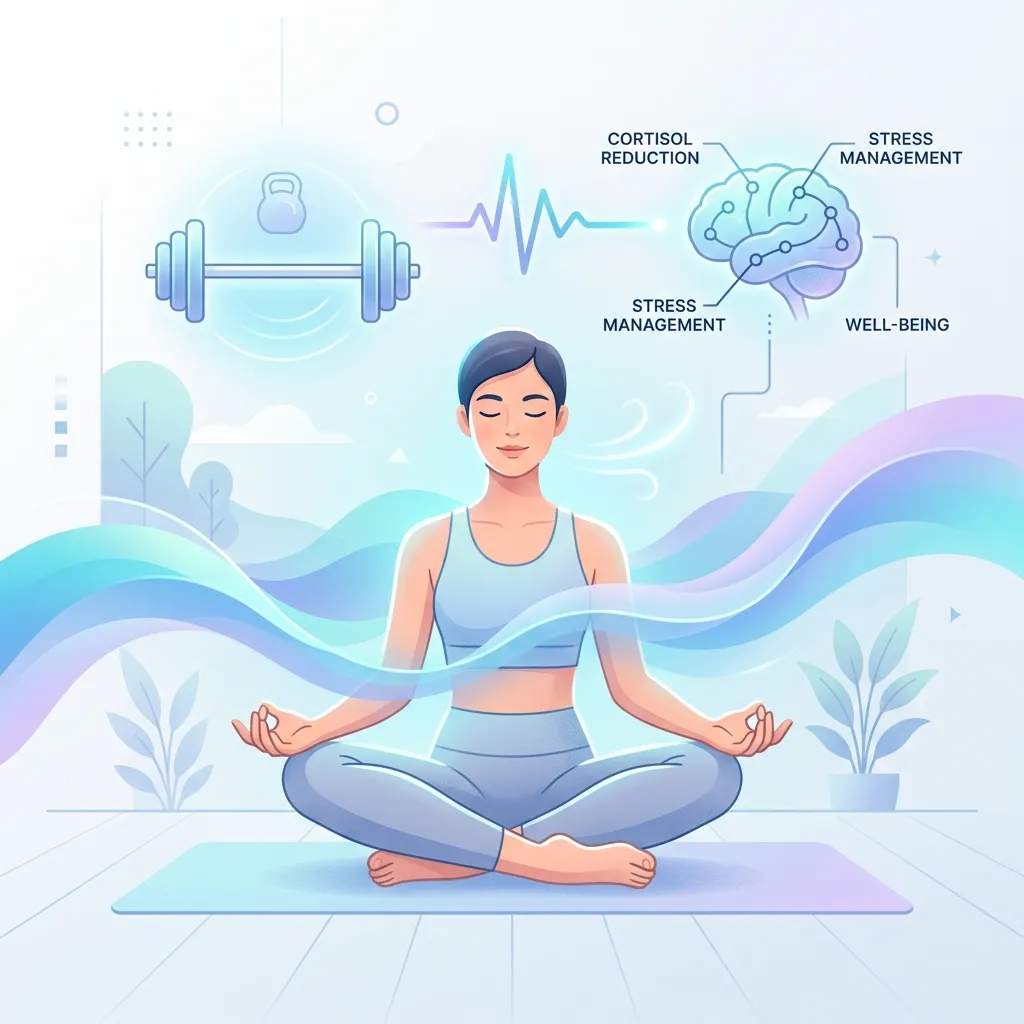
When it comes to building muscle, burning fat, and improving athletic performance, most people focus entirely on their time inside the gym. But here is a crucial fitness truth: you don't build muscle while lifting weights; you build it when you are resting.
Weight training creates microscopic tears in your muscle fibers. It is during your rest periods that your body repairs these fibers, making them stronger and larger. Therefore, how you spend your rest days dictates your progress.
But how should you spend those off-days? Should you lie on the couch all day (passive rest), or should you engage in light physical activity (active recovery)? Let's break down the science and benefits of both to help you optimize your recovery.
What is Passive Rest?
Passive rest involves complete physical inactivity. This means no workouts, no light jogging, and minimal physical exertion. It is the classic "couch day" where your primary goal is to relax, read, watch movies, and sleep.
When to Choose Passive Rest:
- Severe Muscle Soreness (DOMS): If you can barely walk or lift your arms due to extreme soreness, your body needs absolute rest.
- Central Nervous System (CNS) Fatigue: Heavy compound lifting (like deadlifts and squats) taxes your nervous system. Signs of CNS fatigue include low motivation, trouble sleeping, and decreased strength.
- Illness or Injury: When your body is fighting off an infection or repairing an acute injury, it needs to direct all its energy toward healing.
- High Mental Stress: Sometimes, you just need a day off from thinking about fitness entirely to recharge your mental battery.
What is Active Recovery?
Active recovery involves performing low-intensity physical activity that gets your blood flowing without causing muscle damage or systemic fatigue. The goal is to keep your heart rate in Zone 1 (around 50-60% of your maximum heart rate) and promote blood circulation.
Examples of Active Recovery:
- Light Walking: A 20-30 minute brisk walk in nature.
- Mobility and Yoga: Dynamic stretching, yoga flows, or joint mobility exercises to improve flexibility and range of motion.
- Foam Rolling (Myofascial Release): Using a foam roller or massage gun to break up muscle tightness and improve tissue quality.
- Easy Swimming or Cycling: Moving at a very relaxed, conversational pace with zero resistance.
The Benefits of Active Recovery
For most lifters and athletes, active recovery is superior to passive rest for standard off-days. Here is why:
1. Enhanced Nutrient Delivery
Blood flow is the vehicle that carries oxygen, amino acids, and other vital nutrients to your damaged muscle tissues. Passive rest restricts blood circulation, while light movement keeps blood pumping, speeding up the repair process.
2. Faster Clearing of Metabolic Waste
During intense training, your muscles accumulate lactic acid and other metabolic byproducts. Active recovery stimulates the lymphatic system and helps clear these waste products from your muscles much faster than sitting still, significantly reducing soreness.
3. Improved Joint Health & Mobility
Sitting for long periods can cause your joints and muscles to stiffen up, especially after a heavy training week. Gentle movement keeps your joints lubricated with synovial fluid and helps maintain your range of motion.
How to Optimize Your Off-Days
The ideal recovery strategy is not choosing one over the other, but combining both based on your training volume and fatigue levels. Here is a practical weekly template:
| Day Type |
Activity |
Primary Focus |
| Active Recovery Day |
20 min walk + 10 min dynamic stretching/foam rolling |
Blood circulation, joint mobility, light movement |
| Passive Rest Day |
Full relaxation, prioritizing 8-9 hours of sleep |
Nervous system recovery, absolute muscle rest |
3 Rules for Rest Days:
- Prioritize Protein Intake: Just because you aren't training doesn't mean your muscles don't need nutrients. Keep your protein intake high to support muscle protein synthesis.
- Stay Hydrated: Water is essential for cellular repair and joint lubrication. Drink at least 2-3 liters of water on your off-days.
- Listen to Your Body: If you scheduled an active recovery walk but wake up feeling completely exhausted, switch it to a passive rest day.
Tracking your recovery is just as important as tracking your lifts. Using Fitquro, you can easily log your rest days, track your sleep quality, and monitor your weekly training volume to ensure you never enter the overtraining zone.
Kas geliştirmek, yağ yakmak ve atletik performansı artırmak söz konusu olduğunda, çoğu insan tamamen spor salonunda geçirdiği zamana odaklanır. Ancak fitness dünyasının en önemli gerçeği şudur: kaslarınızı ağırlık kaldırırken değil, dinlenirken inşa edersiniz.
Ağırlık antrenmanı kas liflerinizde mikroskobik yırtıklar oluşturur. Vücudunuz bu lifleri dinlenme dönemlerinizde onararak daha güçlü ve daha büyük hale getirir. Bu nedenle, dinlenme günlerinizi nasıl geçirdiğiniz doğrudan ilerlemenizi belirler.
Peki bu dinlenme günlerini nasıl geçirmelisiniz? Bütün gün koltukta mı yatmalısınız (pasif dinlenme), yoksa hafif fiziksel aktivitelere mi katılmalısınız (aktif toparlanma)? Gelin, recovery sürecinizi optimize etmenize yardımcı olmak için her ikisinin de bilimsel yönlerini ve faydalarını inceleyelim.
Pasif Dinlenme Nedir?
Pasif dinlenme, tamamen fiziksel hareketsizlik anlamına gelir. Bu; antrenman yapmamak, hafif koşulara bile çıkmamak ve fiziksel eforu minimumda tutmak demektir. Temel amacınızın dinlenmek, kitap okumak, film izlemek ve uyumak olduğu klasik bir "koltuk günü"dür.
Pasif Dinlenmeyi Ne Zaman Seçmelisiniz?
- Aşırı Kas Ağrısı (DOMS): Aşırı ağrı nedeniyle yürümekte veya kollarınızı kaldırmakta zorlanıyorsanız, vücudunuzun mutlak dinlenmeye ihtiyacı vardır.
- Merkezi Sinir Sistemi (MSS) Yorgunluğu: Ağır bileşik egzersizler (deadlift ve squat gibi) sinir sisteminizi yıpratır. Düşük motivasyon, uyku sorunları ve güç kaybı MSS yorgunluğunun belirtileridir.
- Hastalık veya Sakatlık: Vücudunuz bir enfeksiyonla savaşırken veya akut bir sakatlığı onarırken, tüm enerjisini iyileşmeye yönlendirmelidir.
- Yüksek Zihinsel Stres: Bazen zihinsel pilinizi şarj etmek için fitness hakkında düşünmeye tamamen ara vermeye ihtiyaç duyarsınız.
Aktif Toparlanma (Active Recovery) Nedir?
Aktif toparlanma; kas hasarına veya sistemik yorgunluğa neden olmadan kan akışını hızlandıran, düşük yoğunluklu fiziksel aktiviteler yapmayı içerir. Amaç, kalp atış hızınızı Zone 1 seviyesinde (maksimum kalp atış hızınızın yaklaşık %50-60'ı) tutmak ve kan dolaşımını teşvik etmektir.
Aktif Toparlanma Örnekleri:
- Hafif Yürüyüş: Doğada 20-30 dakikalık tempolu bir yürüyüş.
- Mobilite ve Yoga: Esnekliği ve hareket açıklığını artırmak için dinamik esneme, yoga akışları veya eklem mobilitesi egzersizleri.
- Foam Roller (Miyofasyal Gevşetme): Kas sertliğini gidermek ve doku kalitesini iyileştirmek için foam roller veya masaj tabancası kullanmak.
- Hafif Yüzme veya Bisiklet: Sıfır dirençle, son derece rahat ve konuşma temposunda hareket etmek.
Aktif Toparlanmanın Faydaları
Çoğu sporcu ve ağırlık kaldıranlar için aktif toparlanma, standart dinlenme günlerinde pasif dinlenmeden daha üstündür. İşte nedenleri:
1. Gelişmiş Besin Taşınımı
Kan akışı; oksijen, amino asitler ve diğer hayati besinleri hasarlı kas dokularınıza taşıyan ana araçtır. Pasif dinlenme kan dolaşımını sınırlandırırken, hafif hareketler kan pompalamaya devam ederek onarım sürecini hızlandırır.
2. Metabolik Atıkların Daha Hızlı Atılması
Yoğun antrenman sırasında kaslarınızda laktik asit ve diğer metabolik yan ürünler birikir. Aktif toparlanma, lenfatik sistemi uyarır ve bu atık ürünlerin kaslardan temizlenmesine yardımcı olarak kas ağrılarını önemli ölçüde azaltır.
3. Eklem Sağlığı ve Hareket Açıklığı
Özellikle ağır bir antrenman haftasından sonra uzun süre oturmak eklemlerinizin ve kaslarınızın sertleşmesine neden olabilir. Nazik hareketler eklemlerinizi sinovyal sıvı ile yağlar ve hareket açıklığınızı korumanıza yardımcı olur.
Dinlenme Günlerinizi Nasıl Optimize Edersiniz?
En ideal toparlanma stratejisi birini diğerine tercih etmek değil, antrenman hacminize ve yorgunluk seviyenize göre her ikisini birleştirmektir. İşte haftalık pratik bir şablon:
| Gün Tipi |
Aktivite |
Temel Odak Noktası |
| Aktif Toparlanma Günü |
20 dk yürüyüş + 10 dk dinamik esneme/foam roller |
Kan dolaşımı, eklem mobilitesi, hafif hareket |
| Pasif Dinlenme Günü |
Tamamen dinlenme, 8-9 saat uyku önceliği |
Sinir sistemi toparlanması, mutlak kas dinlenmesi |
Dinlenme Günleri İçin 3 Altın Kural:
- Protein Alımına Dikkat Edin: Antrenman yapmıyor olmanız kaslarınızın besine ihtiyacı olmadığı anlamına gelmez. Kas protein sentezini desteklemek için protein alımınızı yüksek tutun.
- Hidrasyonu Unutmayın: Su, hücresel onarım ve eklem yağlanması için gereklidir. Dinlenme günlerinizde en az 2-3 litre su tüketin.
- Vücudunuzu Dinleyin: Aktif bir toparlanma yürüyüşü planladıysanız ancak tamamen bitkin uyandıysanız, bunu pasif bir dinlenme gününe dönüştürün.
Toparlanma sürecinizi takip etmek, antrenmanlarınızı takip etmek kadar önemlidir. Fitquro uygulamasını kullanarak dinlenme günlerinizi kolayca kaydedebilir, uyku kalitenizi takip edebilir ve sürantrene (aşırı antrenman) durumuna düşmemek için haftalık antrenman hacminizi izleyebilirsiniz.
Track Your Progress with Fitquro
Log your workouts, track personal records, and stay motivated with XP and
achievements. 1400+ exercises with animated demos.
Download Fitquro →